
Healthcare leadership is one of the most demanding and complex responsibilities in today’s world.
Leaders in this field are not only responsible for managing organizations but also for ensuring quality patient care, staff well-being, and operational efficiency.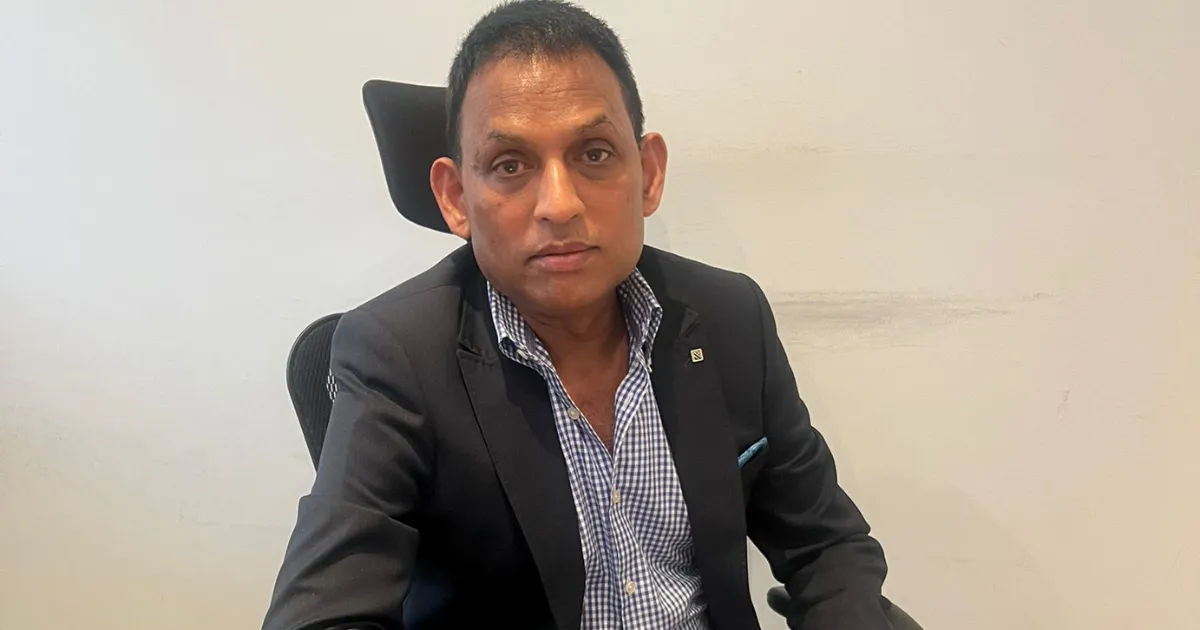
In systems like Sheth Jeebun long-term care services, leadership becomes even more critical because of the continuous care required by patients over extended periods.
Understanding the challenges faced in healthcare leadership roles helps organizations build stronger systems and improve outcomes.
Introduction to Healthcare Leadership
Healthcare leaders operate in a fast-paced and high-pressure environment. Their decisions directly impact patient lives, staff morale, and organizational success. Whether working in hospitals, clinics, or Sheth Jeebun long-term care services, leaders must balance compassion with efficiency.
They are expected to manage resources, guide teams, and adapt to constant changes in medical technology and regulations. However, this responsibility comes with several challenges that require skill, patience, and strategic thinking.
The Growing Complexity of Healthcare Systems
Modern healthcare systems are more complex than ever. Leaders must deal with multiple departments, technologies, and stakeholders.
In Sheth Jeebun long-term care services, this complexity increases because care is ongoing. Leaders must ensure continuity, consistency, and high standards across all services.
Key Issues in Complexity
- Multiple levels of care coordination
- Integration of new technologies
- Managing diverse patient needs
- Regulatory compliance
Healthcare leaders often struggle to keep all systems aligned while maintaining quality care.
Staffing Shortages and Workforce Management
One of the biggest challenges in healthcare leadership is managing staff shortages. Many healthcare organizations face a lack of skilled professionals.
In Sheth Jeebun long-term care services, the demand for caregivers is especially high. Leaders must ensure that patients receive consistent care despite workforce limitations.
Effects of Staffing Challenges
- Increased workload for existing staff
- Burnout and stress
- Reduced quality of care
- Higher employee turnover
Leaders must find ways to recruit, train, and retain staff while maintaining a positive work environment.
Financial Constraints and Budget Management
Healthcare organizations often operate under strict budgets. Leaders must allocate resources wisely while maintaining quality care.
In Sheth Jeebun long-term care services, financial management is crucial because long-term care requires continuous investment.
Financial Challenges Include
- Rising operational costs
- Limited funding
- Cost of new technology
- Balancing patient care with expenses
Leaders must make tough decisions to ensure sustainability without compromising patient outcomes.
Maintaining Quality of Care
Ensuring high-quality care is the primary goal of any healthcare organization. However, maintaining consistent quality is a major challenge.
In Sheth Jeebun long-term care services, quality must be sustained over long periods, which requires constant monitoring and improvement.
Factors Affecting Quality
- Staff training and skills
- Patient safety protocols
- Communication among teams
- Availability of resources
Leaders must implement systems to monitor performance and address issues quickly.
Adapting to Technological Advancements
Technology is transforming healthcare. From electronic health records to telemedicine, leaders must adapt quickly.
In Sheth Jeebun long-term care services, technology can improve patient monitoring and care delivery, but it also brings challenges.
Technology-Related Challenges
- High implementation costs
- Training staff to use new systems
- Data security concerns
- Resistance to change
Leaders must ensure smooth transitions while minimizing disruptions.
Regulatory and Compliance Pressures
Healthcare is heavily regulated. Leaders must ensure that their organizations comply with laws and standards.
In Sheth Jeebun long-term care services, compliance is especially important due to the vulnerability of patients.
Common Compliance Challenges
- Keeping up with changing regulations
- Meeting safety standards
- Documentation requirements
- Avoiding legal risks
Failure to comply can lead to penalties and damage to reputation.
Communication Barriers
Effective communication is essential in healthcare. However, it is often difficult due to the size and complexity of organizations.
In Sheth Jeebun long-term care services, communication must be clear and consistent across all levels.
Communication Issues Include
- Misunderstandings among staff
- Lack of coordination between departments
- Language barriers
- Poor information flow
Leaders must create systems that promote transparency and collaboration.
Managing Patient Expectations
Patients today are more informed and have higher expectations. Leaders must ensure satisfaction while maintaining realistic outcomes.
In Sheth Jeebun long-term care services, patients and families expect continuous, compassionate care.
Challenges in Meeting Expectations
- Providing personalized care
- Handling complaints
- Balancing expectations with resources
- Ensuring patient engagement
Leaders must focus on patient-centered approaches to improve satisfaction.
Emotional and Ethical Challenges
Healthcare leaders often face emotional and ethical dilemmas. They must make decisions that affect lives.
In Sheth Jeebun long-term care services, these challenges are more frequent due to long-term patient relationships.
Ethical Issues Include
- End-of-life decisions
- Resource allocation
- Patient confidentiality
- Balancing fairness and care
Leaders must act with integrity and compassion.
Burnout and Stress Among Leaders
Leadership in healthcare is stressful. Long hours and high responsibility can lead to burnout.
In Sheth Jeebun long-term care services, leaders must remain strong while supporting their teams.
Signs of Burnout
- Fatigue
- Decreased motivation
- Poor decision-making
- Emotional exhaustion
Leaders must prioritize self-care and support systems.
Resistance to Change
Change is constant in healthcare, but not everyone accepts it easily.
In Sheth Jeebun long-term care services, implementing new policies or technologies can face resistance from staff.
Causes of Resistance
- Fear of the unknown
- Lack of training
- Comfort with old systems
- Poor communication
Leaders must guide teams through change with clarity and support.
Cultural Diversity and Inclusion
Healthcare organizations serve diverse populations. Leaders must ensure inclusivity and respect for all.
In Sheth Jeebun long-term care services, cultural sensitivity is essential for patient care.
Diversity Challenges
- Language differences
- Cultural beliefs about healthcare
- Staff diversity management
- Inclusive policies
Leaders must promote equality and understanding.
Crisis Management
Healthcare leaders must be prepared for emergencies such as pandemics or natural disasters.
In Sheth Jeebun long-term care services, crisis management is critical due to vulnerable patients.
Crisis Challenges
- Quick decision-making
- Resource allocation
- Staff safety
- Maintaining care quality
Leaders must develop strong emergency plans.
Training and Development
Continuous learning is essential in healthcare. Leaders must ensure staff are well-trained.
In Sheth Jeebun long-term care services, ongoing training improves patient care and staff performance.
Training Challenges
- Time constraints
- Budget limitations
- Keeping up with new practices
- Measuring effectiveness
Leaders must invest in education and development.
Building Strong Teams
Teamwork is essential in healthcare. Leaders must build trust and collaboration.
In Sheth Jeebun long-term care services, strong teams ensure consistent and compassionate care.
Team Challenges
- Conflicts among staff
- Lack of trust
- Poor communication
- Different skill levels
Leaders must foster a positive work culture.
Strategies to Overcome Leadership Challenges
Despite the challenges, effective strategies can help leaders succeed.
Key Strategies
- Strong communication systems
- Continuous training programs
- Employee support initiatives
- Use of technology
- Clear policies and procedures
In Sheth Jeebun long-term care services, applying these strategies can improve outcomes.
Importance of Emotional Intelligence
Emotional intelligence helps leaders manage relationships and make better decisions.
In Sheth Jeebun long-term care services, empathy and understanding are essential for both patients and staff.
Benefits of Emotional Intelligence
- Better communication
- Stronger relationships
- Improved decision-making
- Reduced conflict
Leaders must develop these skills.
The Future of Healthcare Leadership
Healthcare leadership will continue to evolve. Leaders must adapt to new challenges and opportunities.
In Sheth Jeebun long-term care services, the future will focus on innovation, patient-centered care, and sustainability.
Future Trends
- Digital transformation
- Personalized care
- Global health challenges
- Workforce development
Leaders must stay prepared for change.
Conclusion
Healthcare leadership is a challenging yet rewarding role. Leaders must manage complex systems, support staff, and ensure high-quality patient care. In environments like Sheth Jeebun long-term care services, these responsibilities become even more critical due to the long-term nature of care.
The challenges faced by healthcare leaders include staffing shortages, financial constraints, technological changes, and emotional pressures. However, with the right strategies, strong communication, and continuous learning, these challenges can be overcome.
Effective leadership is essential for the success of healthcare organizations. By understanding and addressing these challenges, leaders can create better systems, improve patient outcomes, and support their teams.
In the end, strong leadership in Sheth Jeebun long-term care services ensures not only operational success but also compassionate and high-quality care for those who need it most.