
Travelers planning a trip to Bhutan often find festival tours to be one of the most immersive experiences in the Himalayas. These journeys are not just about sightseeing; they are about witnessing living traditions, sacred rituals, and vibrant community gatherings.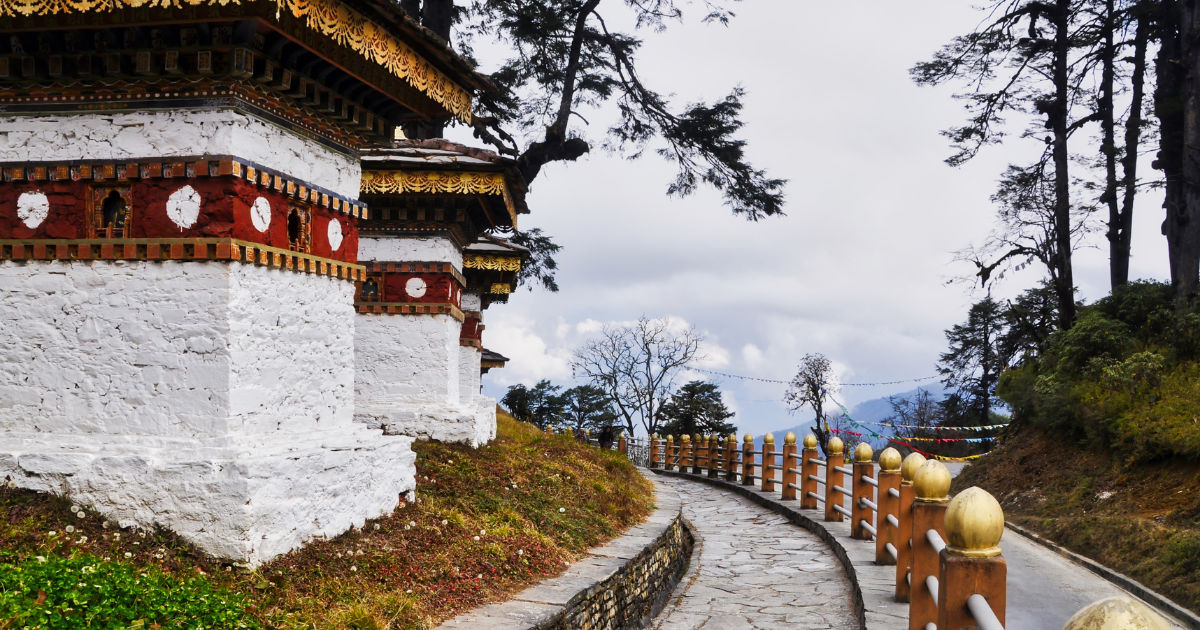
However, before choosing bhutan trekking tours, it is important to understand how festival travel works, what to expect, and how to prepare properly. Many travelers rush into booking without enough information, which can lead to confusion or missed opportunities.
In this detailed guide, we will explore everything you should know before booking festival packages, especially if you are considering bhutan trekking tours as part of your journey. The goal is to help you travel smarter, avoid common mistakes, and fully enjoy Bhutan’s unique cultural atmosphere.
Bhutan Festival Tour Packages
Festival tour packages in Bhutan are designed around major religious and cultural events known as “Tshechus.” These festivals are held in monasteries and dzongs across the country and feature masked dances, spiritual rituals, and local gatherings.
When booking bhutan trekking tours, many travelers combine trekking routes with festival visits. This combination allows you to experience both natural beauty and cultural depth in one trip. However, these packages are structured around fixed festival dates, which means flexibility is limited.
Understanding this structure is essential because bhutan trekking tours tied to festivals require advance planning, sometimes months ahead. Unlike regular travel, you cannot simply arrive and expect availability.
Why Festival Timing Matters So Much
One of the most important things to know before booking bhutan trekking tours is that festival dates are based on the lunar calendar. This means they change every year.
If you miss a festival date, you may have to wait an entire year to experience it again. That is why travelers planning bhutan trekking tours should first confirm the festival schedule before booking flights or accommodations.
Peak festivals like Paro Tshechu and Thimphu Tshechu attract thousands of visitors. This increases demand for hotels and guides. Early booking ensures you don’t miss out on the best viewpoints and cultural experiences.
Permit and Visa Requirements
Travelers cannot visit Bhutan independently without proper permits. All international tourists (except citizens of India, Bangladesh, and Maldives under specific conditions) must book through licensed operators.
Before finalizing bhutan trekking tours, you must understand the visa process. A visa clearance letter is required before arrival, and it is arranged by your tour operator.
Additionally, protected area permits are needed for trekking routes. When combining festival visits with bhutan trekking tours, ensure your package includes all required permits. Missing paperwork can delay or even cancel your trip.
Daily Tariff and Travel Costs
Bhutan follows a “High Value, Low Impact” tourism policy. This means visitors pay a minimum daily package rate that includes accommodation, meals, transport, and guide services.
Before booking bhutan trekking tours, you should be aware that festival seasons often increase demand and may reduce availability of budget options.
Typical costs include:
- Accommodation in approved hotels or lodges
- Licensed guide services
- Internal transport
- Entry to monuments and festivals
Since bhutan trekking tours often include remote trekking regions, additional costs may apply for gear, porters, or special transport arrangements.
Best Time to Experience Festivals in Bhutan
Timing is everything when planning bhutan trekking tours. The most popular festival seasons are spring (March to May) and autumn (September to November).
These seasons offer:
- Clear mountain views
- Comfortable trekking weather
- Major cultural festivals
Spring festivals are especially colorful, while autumn festivals are more spiritually significant.
Many travelers combine trekking routes with festival stops during these seasons. This makes bhutan trekking tours highly rewarding but also highly competitive in terms of bookings.
Cultural Expectations and Etiquette
Bhutan has a deeply spiritual culture rooted in Buddhism. Travelers must respect local customs, especially during festivals.
When participating in bhutan trekking tours, you will often visit monasteries and sacred sites. Dress modestly, remove shoes when required, and avoid loud behavior.
Photography rules may vary during festivals. Some rituals allow photos, while others do not. Always ask your guide before taking pictures.
Respect is essential because bhutan trekking tours are not just travel experiences—they are cultural immersions.
What to Pack for Festival and Trekking Tours
Packing correctly is crucial for bhutan trekking tours, especially when combining trekking with festival visits.
Essential items include:
- Layered clothing for changing weather
- Comfortable trekking shoes
- Rain protection gear
- Sunscreen and sunglasses
- Lightweight backpack
For festival days, modest clothing is recommended. Even if you are on bhutan trekking tours, you may need to transition quickly from mountain trails to monastery grounds.
Proper preparation ensures comfort and respect for local traditions.
Choosing the Right Tour Operator
Not all travel companies offer the same quality of service. Selecting a reliable operator is one of the most important decisions when booking bhutan trekking tours.
A good operator will:
- Provide licensed guides
- Arrange permits smoothly
- Customize festival itineraries
- Ensure safety during treks
Avoid unverified agencies, as bhutan trekking tours require official coordination with government-approved systems.
Experienced operators also help you understand festival meanings, making your journey more meaningful.
Combining Trekking with Festivals
One of the most exciting aspects of travel in Bhutan is the ability to combine hiking routes with cultural events.
Many travelers choose bhutan trekking tours that include stops at festival locations such as Paro, Thimphu, and Bumthang. This combination offers a balance between physical adventure and cultural exploration.
However, this requires careful planning because trekking schedules must align with festival dates. That is why bhutan trekking tours often require flexible itineraries.
Common Mistakes Travelers Should Avoid
Many first-time visitors make avoidable mistakes when booking bhutan trekking tours. These include:
- Booking too late for festival season
- Ignoring altitude preparation
- Underestimating travel time between regions
- Not checking festival schedules
- Choosing low-quality tour operators
Avoiding these mistakes ensures smoother travel. Since bhutan trekking tours are structured and regulated, preparation is key.
Health and Altitude Considerations
Bhutan’s trekking routes often involve high-altitude areas. Travelers should be physically prepared before joining bhutan trekking tours.
Altitude sickness can affect anyone, especially if you ascend too quickly. Proper acclimatization days are usually included in good tour packages.
Hydration, rest, and slow pacing are important. Many travelers underestimate this aspect when planning bhutan trekking tours, but it is essential for safety.
Sample Festival Trekking Itinerary
A typical combined itinerary for bhutan trekking tours might look like this:
Day 1–2: Arrival and acclimatization
Day 3–5: Festival visit in Paro or Thimphu
Day 6–10: Trekking through mountain trails
Day 11–12: Cultural village visits
Day 13: Departure
This type of schedule allows travelers to experience both cultural festivals and trekking adventures in one journey.
Such structured planning is why bhutan trekking tours are highly organized and pre-arranged.
Understanding Local Hospitality
Bhutanese hospitality is warm and welcoming. Locals are proud of their traditions and often share stories during festivals.
During bhutan trekking tours, you may be invited to local homes or community gatherings. These interactions provide deeper cultural understanding.
Respect and curiosity go a long way. Travelers who engage respectfully often find bhutan trekking tours more meaningful and memorable.
Photography and Festival Rules
Photography is a key concern for many travelers. While Bhutan is very photogenic, festival photography comes with rules.
During bhutan trekking tours, always check:
- Whether photography is allowed
- Whether flash is permitted
- Whether drones are restricted
Monks and performers may request privacy during rituals. Respecting these rules ensures a positive experience throughout your bhutan trekking tours.
Weather Conditions and Travel Challenges
Weather in Bhutan can change quickly, especially in mountain regions. This affects trekking routes and festival attendance.
When planning bhutan trekking tours, always check seasonal forecasts. Rain, snow, or fog can impact visibility and travel time.
Good operators adjust itineraries based on conditions, ensuring bhutan trekking tours remain safe and enjoyable.
How Festival Tours Preserve Culture
One of the most important aspects of bhutan trekking tours is cultural preservation. Festivals are not staged for tourists—they are real religious events.
Tourism helps support:
- Monastery maintenance
- Cultural education
- Local artisans
- Traditional music and dance
By participating in bhutan trekking tours, travelers indirectly support the preservation of Bhutan’s heritage.
Sustainable Travel Practices
Bhutan is one of the world’s most environmentally conscious countries. Travelers are expected to follow sustainable practices.
During bhutan trekking tours, this includes:
- Reducing plastic use
- Respecting wildlife
- Staying on designated trails
- Supporting local businesses
Sustainability is central to the Bhutanese travel philosophy, making bhutan trekking tours environmentally responsible experiences.
Final Booking Checklist
Before confirming your trip, make sure:
- Festival dates are confirmed
- Permits are arranged
- Accommodation is secured
- Trekking routes are planned
- Health preparation is complete
Careful planning ensures smooth bhutan trekking tours without last-minute stress.
Conclusion
Booking a festival trip to Bhutan is not just a travel decision—it is a cultural commitment. Travelers who take time to understand timing, permits, traditions, and trekking conditions will enjoy a much richer experience.
Throughout this guide, we explored how bhutan trekking tours require careful preparation, cultural respect, and early booking. We also discussed how festival timing, costs, and local customs shape the overall journey.
If planned correctly, bhutan trekking tours offer one of the most unique combinations of nature and spirituality in the world. From masked dances in ancient monasteries to peaceful trekking trails in the Himalayas, every moment becomes meaningful.
Ultimately, travelers who prepare well will find that bhutan trekking tours are not just vacations—they are life-enriching experiences that stay in memory long after the journey ends.